Climate stories, in people’s words.

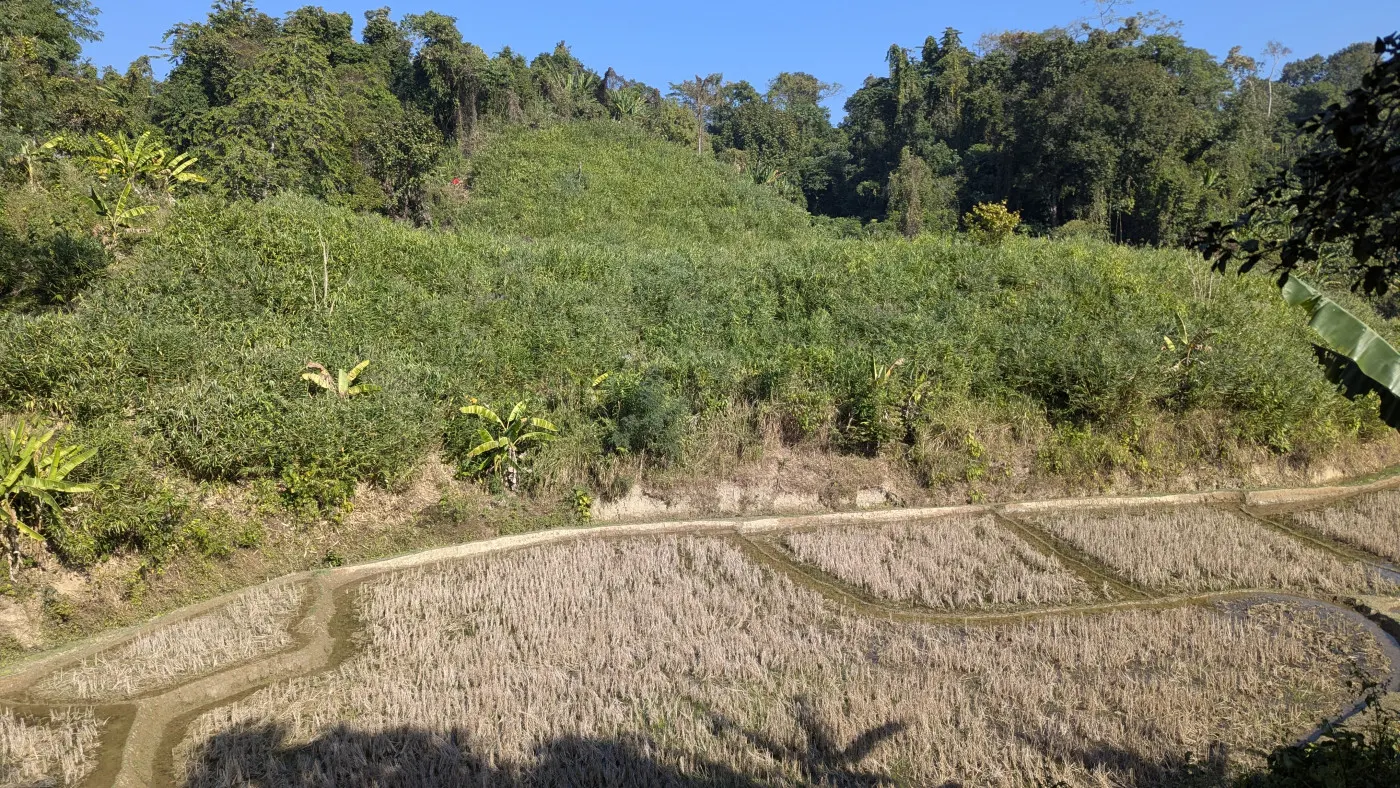
  • Terraced fields below the forested hills of the Pablakhali village common forest.
    Reported by
    Piroj Chakma
    Location
    Khagrachhari · Dighinala
    Climate issue
    Forest loss
    Date
    2026-01-27
    Record
    BD-KHA-0001

    UNDP Bangladesh story

    Pablakhali's 700-acre village common forest in Dighinala, Khagrachari, had been shrinking as the population grew, part of the deforestation, soil loss and biodiversity loss facing the Chittagong Hill Tracts.

    Terraced fields below the forested hills of the Pablakhali village common forest.
    Pablakhali village common forest. Photo: TBS

    What happened

    Pablakhali's 700-acre village common forest in Dighinala, Khagrachari, had been shrinking as the population grew, part of the deforestation, soil loss and biodiversity loss facing the Chittagong Hill Tracts. “Even five years ago, people were reckless,” says mouza headman Bikash Chakma.

    Who is affected

    About 1,200 families in eight villages depend on the forest, at least 500 of them in extreme poverty. “I had no choice; I had to survive. Now I try not to collect anything except fish, crabs, and vegetables,” says Piroj Chakma.

    What action is needed

    In 2017 the Khagrachari District Council declared it a village common forest and signed an agreement with UNDP's Canada-funded biodiversity and ecosystem restoration project. Villagers now patrol it every day and take only fish, crabs, bamboo shoots and vegetables; a conservation group got training and alternative livelihoods.
    See morePermanent record
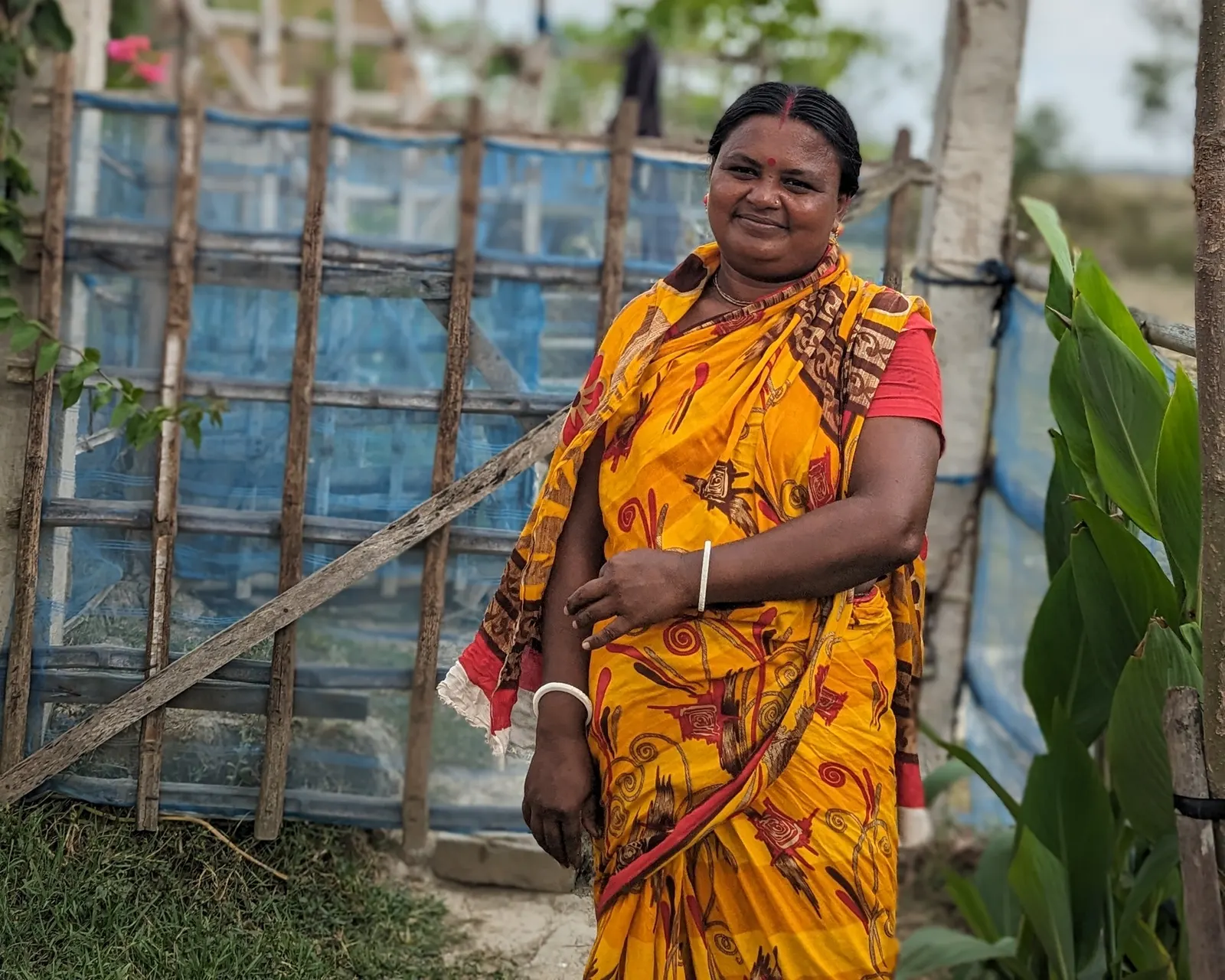
  • Suchitra Dhali standing in front of her home in Pankhali village, Khulna.
    Reported by
    Suchitra Dhali
    Location
    Khulna
    Climate issue
    River erosion
    Date
    2024-06-05
    Record
    BD-KHU-0001

    UNDP Bangladesh story

    In 2016 the Bhodra river and a tidal surge washed away Suchitra Dhali's two-room house on the embankment in Pankhali village, Khulna.

    Suchitra Dhali standing in front of her home in Pankhali village, Khulna.
    Photo: ©UNDP Bangladesh

    What happened

    In 2016 the Bhodra river and a tidal surge washed away Suchitra Dhali's two-room house on the embankment in Pankhali village, Khulna. Her family spent months in a shelter and borrowed money to get by.

    Who is affected

    Suchitra, about 40, her husband, a day labourer, and their daughters. “I am afraid of cyclone and floods as they disrupt everyone's life in the coast.”

    What action is needed

    Through LoGIC (the Government of Bangladesh, UNDP and UNCDF, funded by the EU, Sweden and Denmark) she received training and a starter grant. She now grows vegetables and raises 120 chickens, and in 2023 the family built a new house.

    See morePermanent record
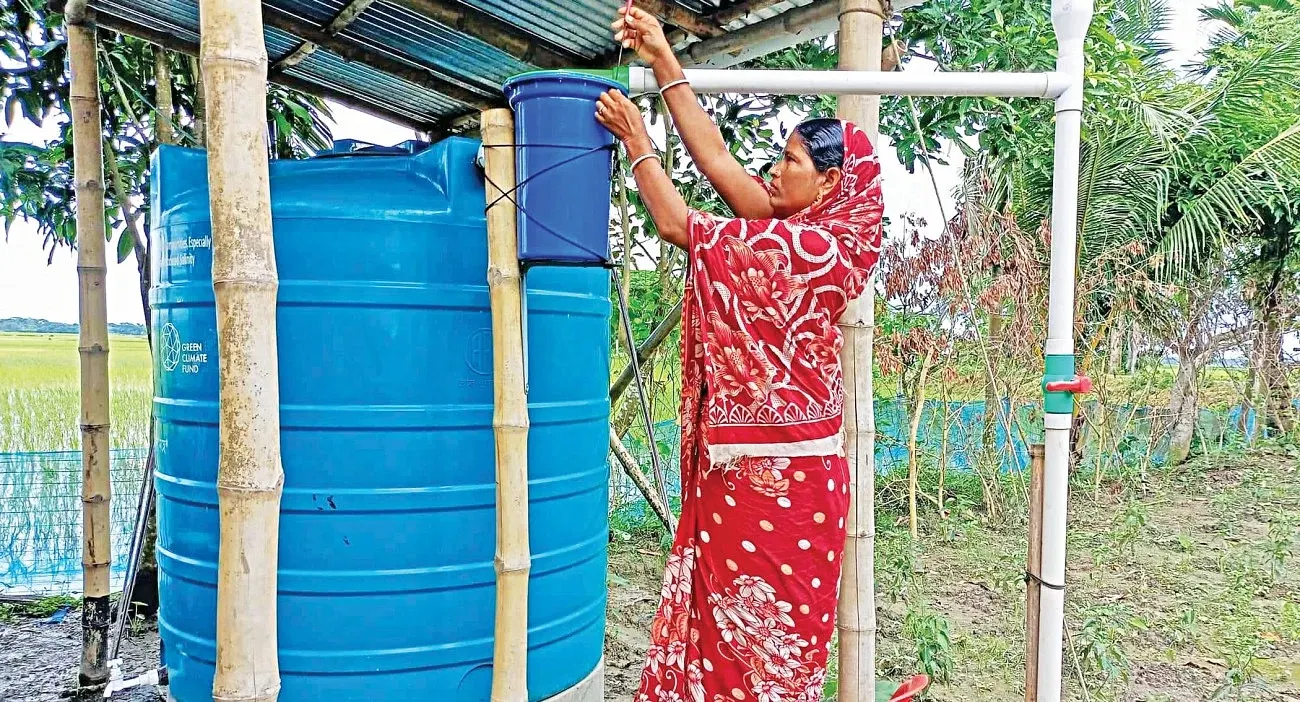
  • A woman pours water from a bucket into a blue rainwater tank beside her home.
    Reported by
    Archana Rani
    Location
    Satkhira · Assasuni
    Climate issue
    Salinity
    Date
    2023-03-23
    Record
    BD-SAT-0001

    UNDP Bangladesh story

    For 23 years Archana Rani, 36, fetched salty, arsenic-contaminated water for her family in Assasuni, Satkhira.

    A woman pours water from a bucket into a blue rainwater tank beside her home.
    Rainwater harvesting on the coast. Photo: UNDP Bangladesh

    What happened

    For 23 years Archana Rani, 36, fetched salty, arsenic-contaminated water for her family in Assasuni, Satkhira. Each trip meant an hour's walk and Tk 6 a pitcher, and it left her with back pain.

    Who is affected

    In these coastal upazilas women carry the water in 74% of households, and 63% of households had trouble getting it.

    What action is needed

    UNDP's GCA project, funded by the Green Climate Fund and the government, gave her a 2,000-litre rainwater tank; a single week's rain gave her 800 litres. The project has reached 13,308 households in Khulna and Satkhira.

    See morePermanent record
  • Abdul Quader Maal, an old man with a white beard, sitting outside a tin house on Kukri Mukri.
    Reported by
    Abdul Quader Maal
    Location
    Bhola · Char Fasson
    Climate issue
    Cyclone
    Date
    2021-08-12
    Record
    BD-BHO-0001

    UNDP Bangladesh story

    The 1970 cyclone washed away the whole of Kukri Mukri island in Char Fasson, Bhola.

    Abdul Quader Maal, an old man with a white beard, sitting outside a tin house on Kukri Mukri.
    Photo: Rafiqul Islam Montu

    What happened

    The 1970 cyclone washed away the whole of Kukri Mukri island in Char Fasson, Bhola. Abdul Quader Maal, now 90, of Char Mainka village lost his wife, his children and all his relatives; there was no mangrove and no embankment then.

    Who is affected

    About 14,000 people live on the island today, among them families who lost their land to river erosion elsewhere. “Kukri Mukri Mangrove now protects us. Without these mangrove plants, we would have had to float in the water many times.”

    What action is needed

    After 1970 the Forest Department planted a mangrove that now covers about 5,000 hectares, and local people protect it. A youth group, the Kukri Mukri Green Conservation Initiative, runs awareness campaigns, volunteering and eco-tourism, and UNDP's ICBAAR project promoted sustainable afforestation. “If this mangrove survives, we will survive,” says its coordinator, Zakir Hossain Majumder.

    See morePermanent record

Share your story

Speak or type what climate change is doing where you live. Your name stays private unless you choose to share it.

Share your story